
Health and Care Research
What is health and care research and why is it important?
We are committed to our population living happier and healthier lives. Research is one way that we can make this happen by providing the evidence to improve treatments and care. This could be by testing new medicines or vaccines or by completing questionnaires to help us understand how people feel about the care they receive.
Benefits to taking part in research can include learning more about your health or receiving closer monitoring. Taking part in a project may not always help you directly, but you will be helping to improve services and treatments now and in the future.
Health and care research adds to our knowledge and understanding about diagnoses, treatments and care, and people’s lived experiences. This knowledge helps us to deliver better services and contributes to the best health and wellbeing for people. Publishing the learning from research widely can positively impact health and care locally, regionally, nationally and internationally.
There is a specific need to increase the diversity of people who get involved in research, both as research recruits, and in study design. We know there is a prevalence of white, older people who get involved in research. Without diverse participants in research, there is a risk that research outcomes will not be as effective across diverse population groups and that research trials will not be designed to meet the needs of a diverse population.
Research Engagement Network
The Research Engagement Network supports and champions the involvement of patients and the public in research, working with volunteers and Voluntary, Community, Faith and Social Enterprises (VCFSEs) across all stages of the research process, and providing advice and guidance to researchers on good practice.
The team also work to raise the profile of research to encourage participation in and engagement with research studies by working with local communities. In collaboration with our system partners we are delivering an NHS England funded initiative called Research Engagement Networks (REN).
Our local Research Engagement Network is coordinated by the Norfolk and Suffolk Integrated Care Board (ICB), the Regional Research Delivery Network (RRDN) and in collaboration with Thinklusive.
This initiative creates a platform for researchers to exchange experiences, foster learning and support under-represented groups to participate in research.
The Network:
- Builds a local research environment that is supportive and inclusive for our diverse communities.
- Builds trusting, mutually beneficial relationships with the community and VCFSE sector.
- Listens to, and understands, local communities better.
- Collaborates with community members and organisations to make research more inclusive and representative.
- Highlights the need for making reasonable adjustments within research happening locally.
- Provides a check and challenge to local research teams to create more accessible research.
- Offers input, ideas, and recommendations to teams at all stages of the research process.
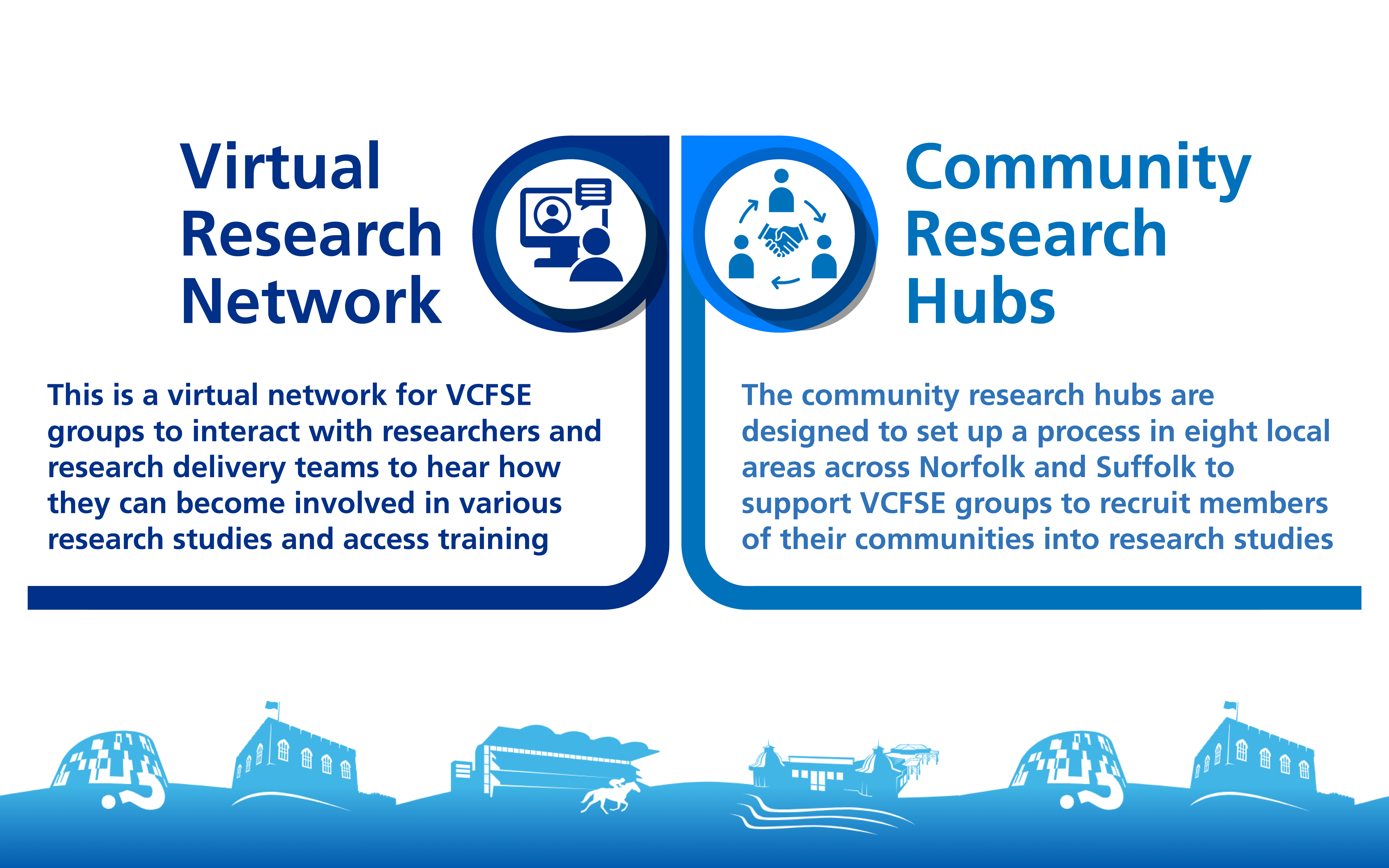
The Research Engagement Network for Norfolk and Suffolk comprise two key elements: the virtual network and community research hubs. These are funded jointly by NHS England and the Regional Research Delivery Network.
Virtual Network
What is it?
This is a virtual network for VCFSE groups to interact with researchers and research delivery teams to hear how they can become involved in various research studies and access training.
What does it do?
The purpose of the network is to highlight research projects to VCFSE groups that are interested in research and to hear from researchers who want to engage with VCFSE groups to enhance their studies.
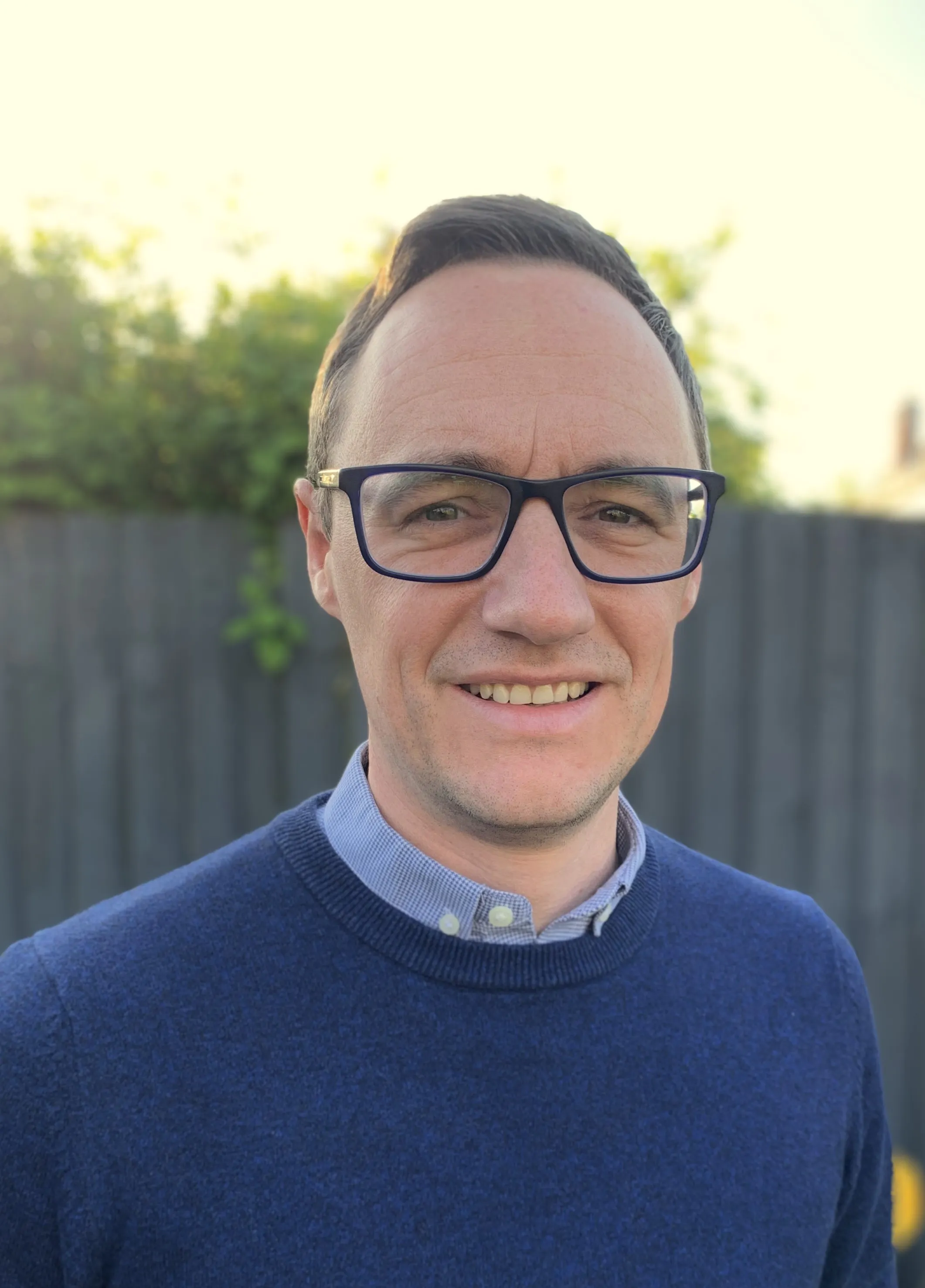
Max Clark (Thinklusive) chairs a meeting every two months (1 hour, online) to hear presentations from researchers and research delivery teams to highlight relevant research projects to VCFSE groups. Max also regularly shares research projects via email so that VCFSE groups can take part in research if it is relevant to them.
Who can attend and take part?
This network is open to anyone interested in research across Norfolk and Suffolk, working in a VCFSE organisation. You do not have to have any previous experience of research. We know research can be intimidating, and there is usually lots of conversation between colleagues. These meetings are informal, and it is ok to just listen to the conversation.
What do I need to do to join the network?
Please complete the survey below to register to receive emails and the dates of upcoming meetings.
Community Research Hubs
What are they?
The community research hubs are designed to set up a process in eight local areas across Norfolk and Suffolk to support VCFSE groups to recruit members of their communities into research studies. This is important as it makes research more representative of the population and gives access to new treatment approaches that wouldn’t have been available previously.
What do they do?
Each of the hubs is a collection of around three VCFSE groups that have come together to form a core group. Currently, hubs are up and running in Great Yarmouth, Thetford, Waveney, King’s Lynn and Norwich. The VCFSE groups work together with the Integrated Care Board (ICB), Regional Research Delivery Network, Community Action Norfolk and other partners to find ways in which they can recruit members of their communities into research studies or they can support research nurses to run clinics in their community spaces.
To support the hubs, the ICB brings together all partners with the VCFSE groups that are leading each hub once a month to share learning and find out what support is needed.
Who can take part?
Once hubs are established, VCFSE groups in those areas are advised to contact their local hub in the first instance to see how they can get involved. Information on the local hubs can be obtained by contacting nwicb.researchinnovation@nhs.net. We are in the process of establishing three new hubs across Suffolk and the process for this is being led through the virtual network.
Get Involved - Be part of Research
Be Part of Research is a UK-wide service that helps people understand what research is and what it might mean to take part. It also shows what research is currently happening across the UK.
You can create a free account or search for trials and studies into health conditions you’re interested in, at locations near you. See video below for more details. The link to sign up is: https://bepartofresearch.nihr.ac.uk/
-
PPI Training Sessions for Research staff in 2026
These sessions will be held via Zoom. They are free for NIHR, NHS, academic or charity-funded researchers, students or staff in the UK. Please use a work-related email to register.
Please email cuh.ppi@nhs.net to book your place, and we look forward to seeing you there!
Introduction to PPI for Researchers Weds 12 Aug 10.30 am-12.30 pm
This introductory session covers what PPI is, how it can help research and tips for doing it well. The session also includes one of our CUH PPI Panel members sharing their experiences of getting involved, and a PPI case study from a local researcher.
How to build and maintain PPI groups Thurs 27 Aug 1.00 pm-3.00 pm
Forming a PPI group can be an effective way of involving people in your research. This session looks at the different ways a PPI group can work, how to recruit group members and how to keep them involved throughout the lifecycle of your project. Includes one of our CUH PPI panel members and a researcher who will share their experiences.
PPI Toolkit: Ways to involve the public in research Tues 22 Sept 10.30 am-12.30 pm
This session looks at some of the methods that can be used for PPI to help researchers find ways that might be suitable for their project. The session covers activities that can be used throughout the research cycle, with examples from research taking place on campus.
Avoiding tokenism - supporting meaningful PPI Thurs 8 Oct 1.00 pm-3.00 pm Researchers are routinely advised to avoid ‘tokenism’ or ‘tickbox’ PPIE - but what kinds of attitudes, approaches, actions and activities make public contributors feel valued for their contributions and experience? We will look at practical ways to ensure that PPIE is a meaningful and positive experience for all involved.
Planning Inclusive PPI Weds 28 Oct 9.30 am-12.00 pm
To maximise the impact of PPI and improve research for everyone, we need to involve a diverse range of people and communities. This session encourages participants to think about ways to design inclusive PPI opportunities that work for the communities they wish to involve. We will look at best practice and examples for relationship building, recruitment, planning and follow up.
Evaluating PPI Tues 17 Nov 2.00 pm-4.00 pm
PPI is seen as essential to improving the value and relevance of research - but how can we evaluate the impact that our PPI has had, to know whether it has worked well and how it can be improved in the future? In this session we will look at why traditional evaluation is difficult for PPI, how best to plan for success, and monitoring and recording your impact.
Using PPI to help communicate your research Thurs 10 Dec 10.00 am-11.30 am
Join us for this interactive session as we look at writing for lay audiences, other formats for communication and tools for sharing our research and involvement opportunities. How patients and the public can help write, produce and share information about your research in an accessible way.
Please email cuh.ppi@nhs.net to book your place, and we look forward to seeing you there!
-
Spark! Singing for Parkinson’s

This event aims to bring together people living with Parkinson's, loved ones, clinicians, researchers and artists to share our recent findings of the impact of singing on facial mobility and expression in Parkinson’s.
This unique opportunity will connect stakeholders from clinical and artistic backgrounds to share discipline specific strategies for preserving facial mobility in Parkinson’s, and to spark some fruitful connections and bring about new opportunities for collaborations as our research moves forward.
Details
-
Understanding views of the impacts of hot weather on pregnancy and newborn health in England
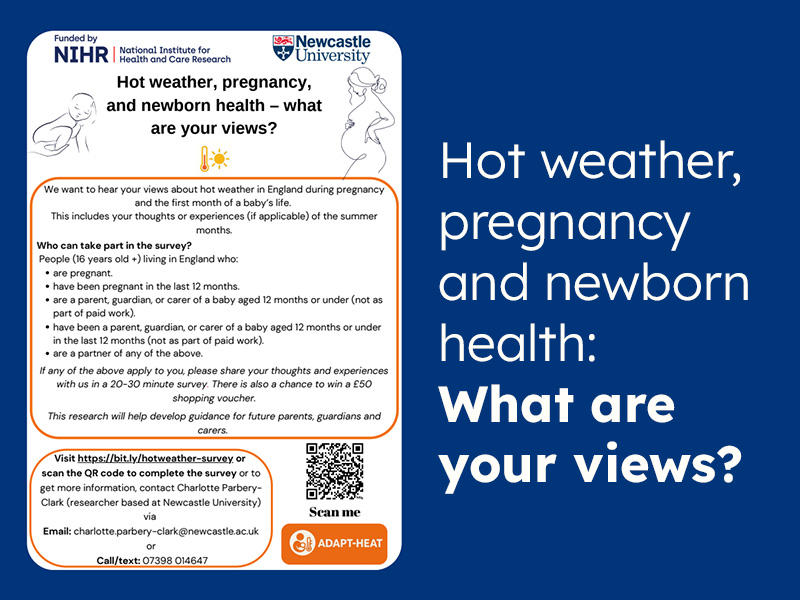
Understanding views of the impacts of hot weather on pregnancy and newborn health in England
Summary
This survey aims to better understand how people view hot weather in England during pregnancy and the newborn period. The newborn period is the month after birth. The information you provide will help develop ways to reduce the impacts of hot weather during pregnancy and the newborn period. This includes improving the support, guidance, and resources for pregnant people, their partners, and caregivers in England.
Who
People aged 16 years and over living in England who are in any of the following groups:- are pregnant or have been pregnant in the last 12 months
- are a parent, guardian, or carer of a baby aged 12 months or under (not as part of paid work)
- have been a parent, guardian, or carer of a baby aged 12 months or under in the last 12 months (not as part of paid work)
- are a partner of any of the above. Partner refers to a spouse (husband, wife), civil partner, boyfriend, girlfriend or someone you consider to be your partner.
What
Online survey (20-30 mins). They are interested in your views on hot weather during pregnancy, hot weather when caring for a newborn baby, your experiences of hot weather during pregnancy or caring for a newborn (if applicable) and any actions you have taken during periods of hot weather during pregnancy or caring for a newborn (if applicable)A link to the online survey is here: https://bit.ly/hotweather-survey
Under the section "Where did you hear about the study?" please ask them to select "East of England Community Health and Care Trust"
-
Exploring Impact from Inclusive Knowledge Mobilisation Webinar
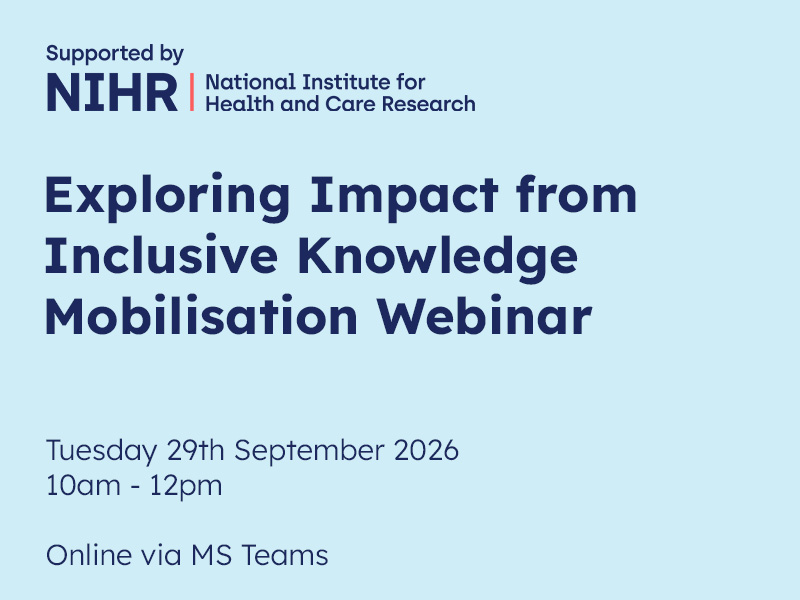
This interactive webinar will explore how inclusive approaches to knowledge mobilisation can support the translation of evidence into practice, improve outcomes for communities, and maximise the impact of research and innovation.
During the session, we will hear perspectives from:
- NIHR on the importance of impact across the research landscape
- NICE on the journey from evidence and guidance development through to implementation and real-world impact
- Public contributors sharing lived experience perspectives on impact
- Knowledge Mobilisation Fellows discussing their experiences of generating impact through their work
- The wider research and health community on the opportunities and challenges involved in achieving meaningful impact
The webinar will also provide an opportunity to:
- Explore what impact means across different settings and communities
- Discuss barriers and enablers to achieving impact
- Learn from examples of successful knowledge mobilisation and partnership working
- Connect with colleagues from across research, health, care and public involvement communities
- Build new relationships and collaborations
The first part of the webinar will consist of presentations from invited speakers, followed by facilitated small-group discussions designed to encourage conversation, networking and shared learning.
Whether you are new to knowledge mobilisation or have extensive experience of translating evidence into practice, we welcome you to join the conversation.
Registration link here: Exploring Impact from Inclusive Knowledge Mobilisation Webinar
-
Researcher Information Talk – Dr Katie Stephens
Webinar: Group B Strep in Pregnancy: Why Are We Studying the Placenta?
Sharing details of a webinar from the Cambridge Biomedical Research Centre.
Webinar Details:
Topic: Researcher Information Talk – Dr Katie Stephens
Time: Wednesday, 5th August 2026 at 11:00am
Zoom Meeting link: https://us02web.zoom.us/j/83047527001?pwd=sIMsnu3p9bag1jC7LKdLMx3LALELcu.1
Meeting ID: 830 4752 7001
Passcode: 795349
Title: Group B Strep in Pregnancy: Why Are We Studying the Placenta?
Summary: Dr Katie Stephens is an Obstetrician in the Department of Obstetrics and Gynaecology at the University of Cambridge. Her research focuses on understanding the role of Group B Streptococcus (GBS) in pregnancy. In this talk, she will discuss her research investigating GBS in the placenta and explain why this work is important for improving our understanding of pregnancy and the health of mothers and babies.
It promises to be an informative and interesting event. If you have any questions at all, please feel free to email the team at CUH.PPI@nhs.net
-
ACCORD (Addressing consent-based challenges to improve inclusivity in research) project

Are you involved in conducting, reviewing or supporting research that includes (or is relevant to) adults with impaired capacity to consent in the UK?
Researchers at Cardiff University are conducting a Wellcome-funded project, ACCORD, to explore how the ethical and legal frameworks governing research involving adults lacking capacity to consent are being implemented in practice, and to address the challenges that can be encountered.
We would like to talk to researchers, health and social care practitioners, and members of research governance organisations (e.g REC member or sponsor representative) with experience of these issues.
We will then use the findings to develop interventions to address the barriers across individual, organisational and systems levels. We will be conducting online interviews and focus groups. Interviews may take up to 1 hour, and focus groups may take approx. 1.5 to 2 hours, and they will be arranged for convenient dates and times.
If you would like more information or have any questions, please contact ACCORD@cardiff.ac.uk
If you are interested in taking part, please register your interest via this link: https://forms.office.com/e/hRX8Ad73M1
Or for more information about ACCORD, visit: Centre for Trials Research: ACCORD
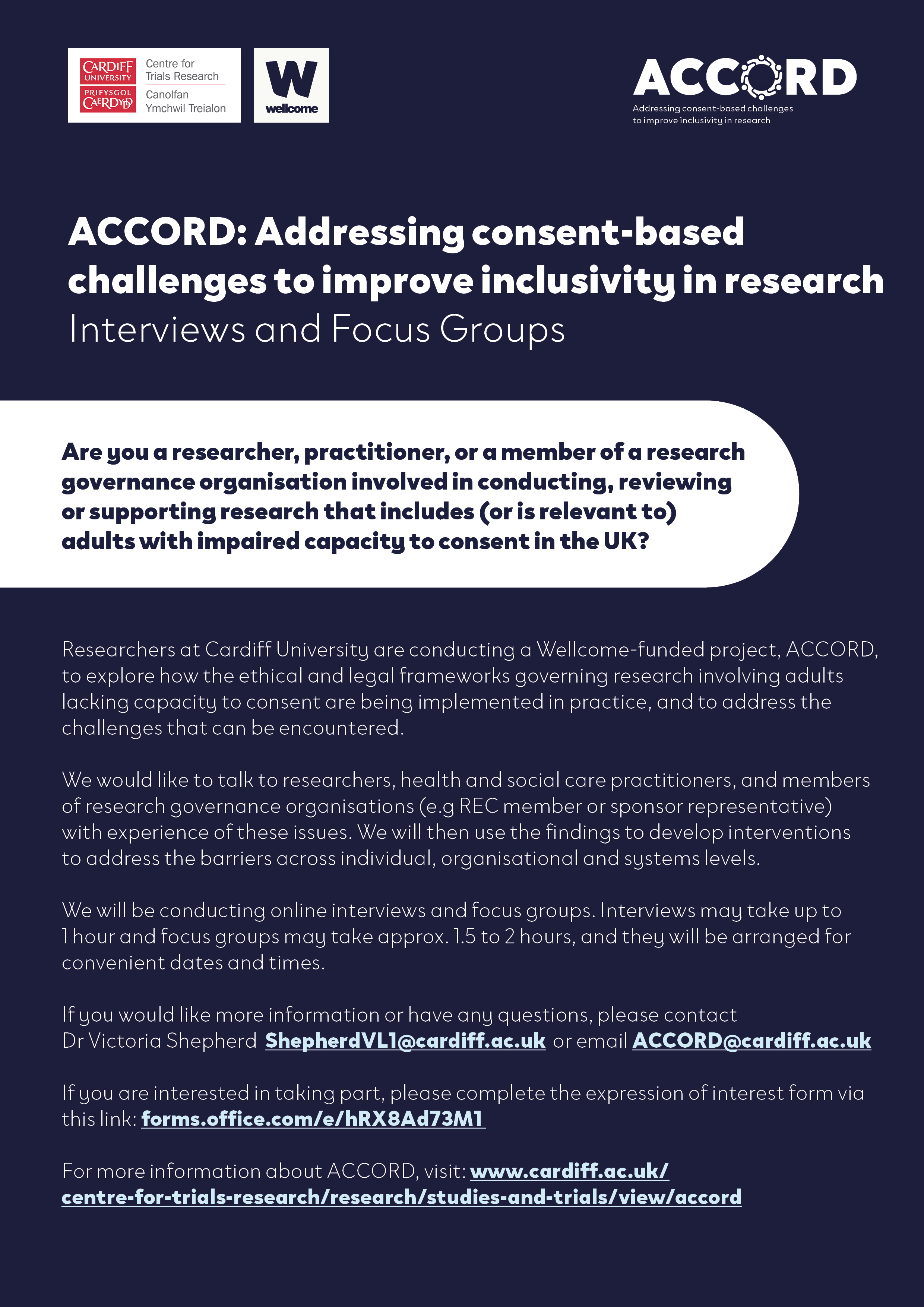 Image Caption
 -
PRACTICALs: Promoting Accessibility in Clinical Trials
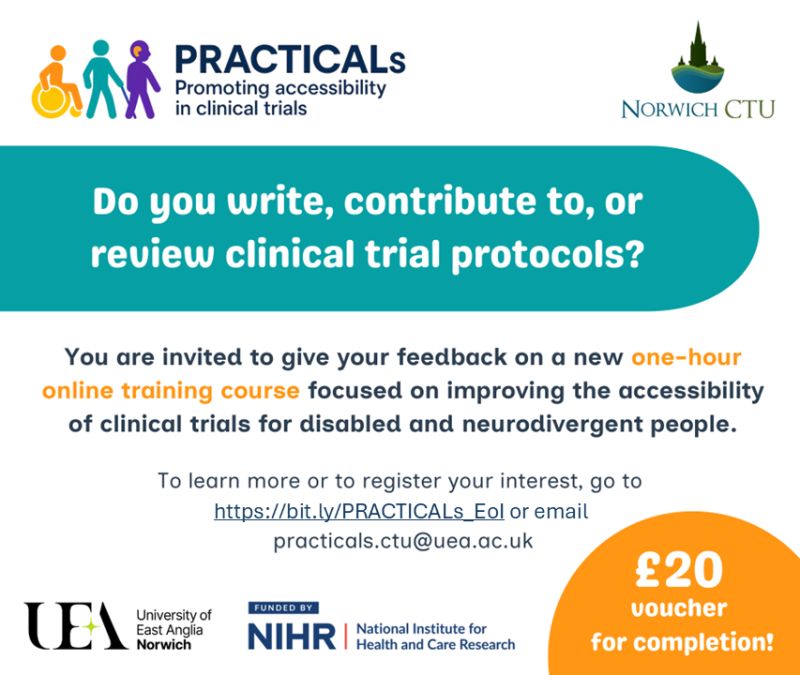
🎉 The Promoting Accessibility in Clinical Trials study is now open to recruitment!
♿ The study is inviting researchers, statisticians, clinicians and Patient and Public Involvement contributors who write, contribute to, or review clinical trial protocols (or intend to in the next three months) to take part in a study to evaluate a new online training course focused on improving the accessibility of clinical trials for disabled and neurodivergent people. Participants must be based in the UK.
🕐 It should take around one hour to complete and as a thank-you for your time, all participants will be offered a £20 voucher.
🌐 Interested? Visit https://norwichcrtu.uea.ac.uk/redcap/surveys/?s=W7JDPRJ4XEDAPWA8 or email at practicals.ctu@uea.ac.uk
📣 Please do share this opportunity with any colleagues who may also want to get involved.
The course has been developed by researchers at Norwich Clinical Trials Unit and the University of East Anglia, in partnership with Disability Rights UK. -
NIHR BioSource Project

The National Institute for Health and Care Research (NIHR) Norfolk Clinical Research Facility team, based at the Quadram Institute, will be recruiting participants to the NIHR BioResource, a publicly funded national research resource with a network of 28 centres across England and a community of 350,000 volunteers.
The Norfolk team are calling on volunteers to come forward to help advance medical knowledge and future patient care.
The NIHR Bioresource links researchers with people willing to participate in research and provides approved researchers access to genetic, clinical and lifestyle information collected from its community of volunteer participants. Individuals who join will be asked to provide samples such as blood or saliva for genetic analysis, as well as relevant health and lifestyle information to support research. Participants may also be contacted about taking part in future studies.
The Norfolk and Norwich University Hospital (NNUH) BioResource team includes research nurses, specialist nurses and research midwives, working alongside doctors and under the leadership of Dr Kate Read as the Principal Investigator. The team aim to recruit participants from a variety of settings, including outpatient departments, inpatient wards, specialist clinics, and community events, to maximise recruitment opportunities and support inclusive participation.
Approved researchers can use the NIHR BioResource to find and contact volunteers who have already agreed to be approached about research. This makes it quicker and easier for participants to be recruited into research studies, helping research to commence more efficiently. Your personal details will only be available to authorised members of the NIHR BioResource team and regulatory authorities who monitor that the study is being carried out correctly.
NNUH will be recruiting for two BioResource cohorts:
🔎 D-CYPHR (DNA, Children + Young People’s Health Resource) supports research into childhood health conditions by involving children and young people aged 0–15 years to improve our understanding of how genetics and environmental factors influence a wide range of childhood conditions, including diabetes, heart disease, mental health conditions and rare diseases.
🔎 Improving Black Health Outcomes (IBHO) BioResource focuses on improving understanding of health conditions that disproportionately affect people from Black ethnic backgrounds, including sickle cell disease.
By joining the BioResource, participants can contribute to health research aimed at improving our understanding of health and disease and supporting the development of new treatments and interventions. Contact the study team via email at NIHRbioresource@nnuh.nhs.uk or visit the BioResource website: https://bioresource.nihr.ac.uk/ -
GSK Community Health programme
GSK Community Health programme: supporting small charities tackling health inequalities
The GSK Community Health programme is open to registered charities that are at least a year old, located and working in the UK with a total annual income between £20,000 and £150,000. Up to 10 charities will receive up to £10,000, plus access to training and development valued at £5,000.

About the programme
Health inequalities are avoidable and systematic differences that include access to health care, quality and experience of care, life expectancy, and wider factors such as environment and housing. There are stark gaps in health between the least and most deprived areas in the UK, with the cost-of-living squeeze and rising poverty also impacting many people’s health.
A considerable amount of work tackling health inequalities is carried out by very small charities working with their communities. These organisations can find it hard to access unrestricted funding and support for their leaders, particularly in the current economic climate.
Organisations led by and supporting the most disadvantaged communities – such as those supporting ethnic minority communities, people with disabilities, people from the LGBTQ+ community, and others – are particularly encouraged to apply for this programme.
The GSK Community Health programme will support aspirational leaders to develop their organisations to tackle health inequalities. It is designed to run alongside the GSK IMPACT Awards and support the next generation of award winners. We know from our long history with the GSK IMPACT Awards that the combination of funding and leadership support can make a real difference and help a charity realise its ambitions.
Funding
Up to 10 organisations will receive up to £10,000 in unrestricted funding.
The leadership programme
The charities offered funding will be invited to attend an online leadership programme. Up to 10 places are available, valued at £5,000 a place. The programme will be delivered by The King’s Fund and provide participants with the opportunity to develop their capability and confidence to lead both operationally and strategically. Taking part in the programme will require time and commitment, and it may not be right for everyone.
The leadership programme is designed to help leaders of small charities build the confidence, skills and relationships needed to lead effectively in challenging contexts. It will support participants to strengthen their leadership practice, build resilience, lead people and partnerships well, and take a more strategic and sustainable approach to increasing their organisation’s impact. Participants will be expected to bring openness, curiosity and a willingness to challenge their thinking, reflect on and develop their leadership practice, and collaborate with others to build a supportive learning community. In return, they will gain practical tools, fresh perspectives and the support of a trusted peer learning community.
Who can apply?
To be eligible, organisations must be:
within the income band for the programme – the charity must have a total annual income between £20,000 and £150,000, as shown in its most recent accounts. If your organisation’s income is above £150,000, you may be eligible to apply for the GSK IMPACT Awards
able to demonstrate how they are tackling health inequalities in their community (this can be defined as a geographical community or a community of interest)
a registered charity by the deadline for applications 5.00pm on Monday 10 August 2026 – the organisation must also have existed for a minimum of one year by this date
working, located and registered in the UK
independently constituted from any national umbrella organisation.
We are interested in your whole charity, so please tell us about the work you do across your organisation. Applications that only focus on a particular project will not be shortlisted.
How to apply
Please read our guidelines before deciding whether to apply.
Download the questions asked on the GSK Community Health programme online application form.
For more information, download our frequently asked questions.
If you experience problems viewing any of the documents, please email: gskenquiries@kingsfund.org.uk
Timetable for applications
Deadline for application is 5.00pm on Monday 10 August 2026
Decisions by mid-October 2026
Leadership programme: individual conversations with facilitation team (November/ December 2026)
Leadership programme: January to spring 2027 (programme dates TBC)
-
Researcher Guidance: Making research accessible for people with a visual impairment
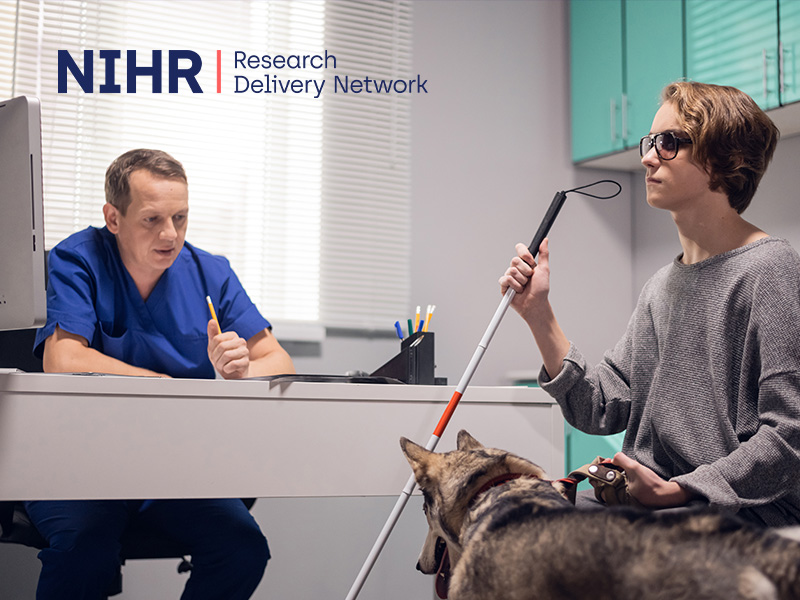
Researcher Guidance: Making research accessible for people with a visual impairment
CamSight Research Ready Communities Project 2025-26
This guidance is for research professionals who are designing or delivering health and care research studies. The guidance sets out suggestions for making research accessible for people with a visual impairment.
The information in this guidance is based on feedback from the visually impaired community, as part of the NIHR Research Ready Communities (RRC) programme. You can view the full RRC project report here.
Why is it important to make sure research is accessible?
People with a visual impairment are already faced by health inequalities, with poorer health than the rest of the population. Research should help to reduce those health inequalities, not widen them.
To ensure research participation is representative of the whole population and the outcomes from research work for everyone, including people with a visual impairment.
By law, reasonable adjustments should be made to ensure people with disabilities are not disadvantaged.
This document includes practical guidance on:
- Accessible information
- Travel
- Clinic space and accessible appointments
- Digital services, websites and Apps
- Accessibility Check List
You can view the full RRC project report here.
-
Email m.twigg1@nhs.net -
-
REN Network Chair & Thinklusive